

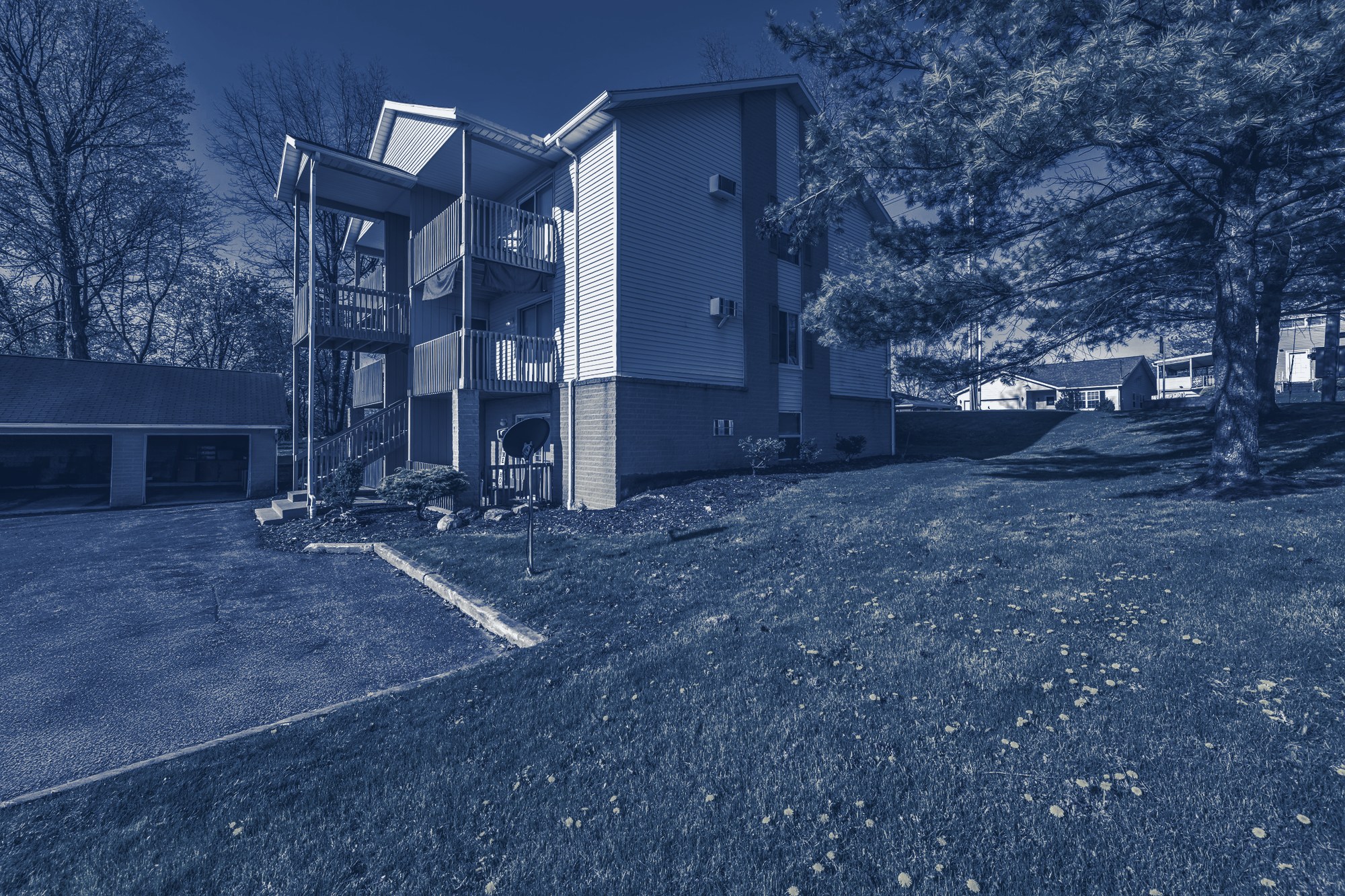
Affordable housing is often discussed in terms of new construction. New supply matters, but so does the housing that already exists. An income-restricted community that is well maintained and properly managed can serve residents for a very long time. One that is neglected can slip out of good condition, and sometimes out of the affordable stock altogether.
Cotra Civic acquires, preserves and operates affordable housing, including communities that serve Housing Choice Voucher households. Our focus is straightforward: keep these homes safe, well kept and available to the residents who depend on them.
That work rests on three practices: preservation, compliance-focused management and steady capital investment. Each supports the others. Preservation without good management tends to erode, management without capital eventually runs out of tools, and capital spent without a compliance plan can put a property’s standing at risk.
This article describes how we approach each practice, what we look at before we take responsibility for a community, and how we measure whether we are doing the job well.
Preservation as a long-term commitment
Preservation begins with the decision to treat an existing affordable community as an asset worth caring for over the long term. When we evaluate a property, we look at its physical condition, the remaining life of its building systems, its regulatory requirements and the needs of the people who live there.
Preservation also means understanding what residents value about where they live. A community may have a long-standing relationship with a nearby school, a transit line or a neighborhood service that residents rely on. Keeping homes affordable in place protects those connections, which is one reason we view the existing stock as something to steward rather than replace.
We then build a written business plan around keeping the property in service. That plan addresses what the building needs now, what it will need over time and how operations will support the people who call it home. The goal is not a quick improvement followed by a sale. It is a property that remains a good place to live.
Long-term thinking changes ordinary decisions. A roof is replaced with materials chosen for their service life rather than their first cost. A boiler is serviced on schedule rather than when it fails. A vacant unit is brought back to a consistent standard rather than patched just enough to lease. None of these choices is dramatic, but together they determine whether a community is in better or worse shape a decade from now.
What we look at before we acquire
Every affordable property comes with history. Before Cotra’s investment committee approves an acquisition, our teams work through the property’s physical, regulatory and operating picture in detail. On the physical side, that means inspecting roofs, building envelopes, mechanical and electrical systems, plumbing, life-safety equipment and a representative sample of units, and estimating what each will need and when.
On the regulatory side, we review the agreements and program requirements that govern the property: which units are restricted, at what income and rent levels, for how long, and what reporting is owed to whom. We look at recent inspection results and any open findings. We want to understand not only what the rules are, but how well the property has been meeting them.
On the operating side, we study staffing, resident files, work order history, vendor contracts and the pattern of resident concerns. The questions are practical. Are certifications current? Are repairs getting done? Do residents know who to call? The answers shape the first months of the business plan and tell us where to put our attention first.
We also look at the relationships around the property: the housing authority, the lender, any public agencies involved and the residents’ own sense of how the community has been run. A transition in ownership is an opportunity to reset those relationships, and we plan our introductions and early commitments accordingly.
Compliance-focused management
Affordable housing carries obligations that market-rate housing does not. Income certifications, rent limits, inspection standards, reporting to agencies and lenders, and the requirements of voucher programs all shape daily operations. Getting these right is not a back-office task. It is central to keeping a property in good standing and keeping residents housed.
Our teams treat compliance as part of the core job. That means accurate and timely certifications, organized resident files, preparation for inspections well before they occur and clear communication with the housing authorities and partners involved in each property. When requirements change, we update our procedures and train our teams accordingly.
We build compliance into routines rather than relying on effort at the deadline. Certification dates are tracked well in advance, files are reviewed by a second set of eyes, and site teams know who to call when a question falls outside the ordinary. Mistakes still happen in any operation, so we look for them early, correct them promptly and report them plainly.
“A well-run affordable community is not a lesser version of market-rate housing. It is housing that people depend on, and it deserves the same care.”
Steady capital investment
Income-restricted properties often operate within tight budgets, which makes it tempting to delay capital work. We take the opposite view. Steady, planned investment in roofs, building systems, unit interiors, common areas and safety features is what keeps a property from reaching the point where much larger repairs become unavoidable.
We plan capital work against the life of the building rather than against a short hold period, and we track spending against budget every month. The capital plan is sequenced by need: life-safety and building envelope first, then major systems, then the interiors and shared spaces that shape daily life. Where we can, we schedule work to limit disruption for residents and communicate plans in advance so that people know what to expect and when.
Capital decisions are made with operations at the table. Site teams know which units generate repeat work orders and which systems are near the end of their useful life. That knowledge helps us spend where it will do the most good, rather than where it is most visible.
We also keep reserves in view. Planned contributions and a realistic schedule of future replacements help a property avoid the cycle of deferral followed by emergency spending. When an unexpected repair does arise, a reserve that has been funded steadily gives our teams room to act quickly rather than wait.
Serving Housing Choice Voucher households
Many of the residents in our communities use Housing Choice Vouchers. We welcome voucher holders and work to make the leasing process clear and respectful. That includes coordinating with local housing authorities, preparing units to pass inspection, explaining timelines and paperwork plainly and responding promptly when questions arise.
We treat fair housing as a core responsibility. Our communities are open to everyone, and our teams are trained to apply the same standards and the same courtesy to every applicant and resident. Respect for residents is not an add-on to the business. It is the foundation of it.
Communication carries much of this work. Residents in affordable communities often have less flexibility to absorb disruption, so we explain recertification steps, inspection visits and planned repairs in plain language and well ahead of time. Site teams are expected to know the people they serve, to listen when concerns are raised and to follow up until an issue is resolved.
“Respect for residents is not an add-on to the business. It is the foundation of it.”
Measuring what matters
A well-run affordable community is not a lesser version of market-rate housing. It is housing that people depend on, and it deserves the same care. Our properties are held to the same Cotra operating standard as the rest of the portfolio, with the same monthly reporting on occupancy, operating margin, capital spend against budget and resident satisfaction.
For Cotra Civic, we read those measures alongside compliance status: certifications completed on time, inspection results, open findings and the age of outstanding work orders. When a number moves in the wrong direction, the monthly report is where we see it first, and the business plan is where we decide what to do about it.
Numbers do not replace judgment. Site visits, conversations with residents and reviews of resident files tell us things a report cannot. Leaders across the platform spend time at the properties themselves, because the quality of an affordable community is ultimately measured in the condition of its homes and the experience of the people who live there.
The work ahead
Keeping affordable homes affordable takes patience, attention to detail and a willingness to invest before problems become emergencies. It also takes partners, including housing authorities, lenders, agencies and residents themselves, who can count on us to do what we said we would do. That is the work Cotra Civic is built to do.
Quality homes, carefully run, for the people who depend on them: that is the commitment behind Cotra Civic.
This article is for general information only. It is not investment, legal or tax advice, and it is not an offer to sell or a solicitation of an offer to buy any security. See Important information.